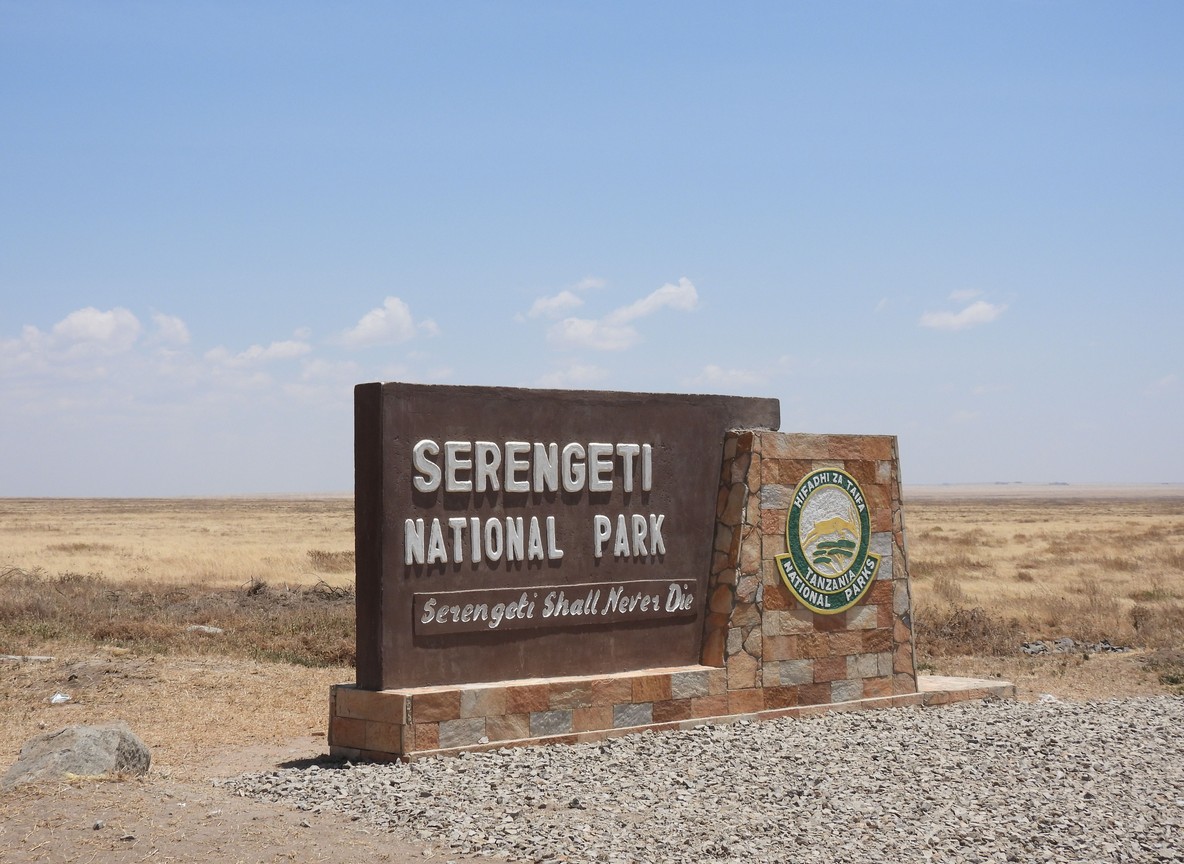
Choosing between an eco lodge and a classic safari lodge in Amboseli is not really a comfort decision. Both options can be comfortable. It is more of a values and atmosphere decision, and the answer depends on what kind of stay experience matters most to you.
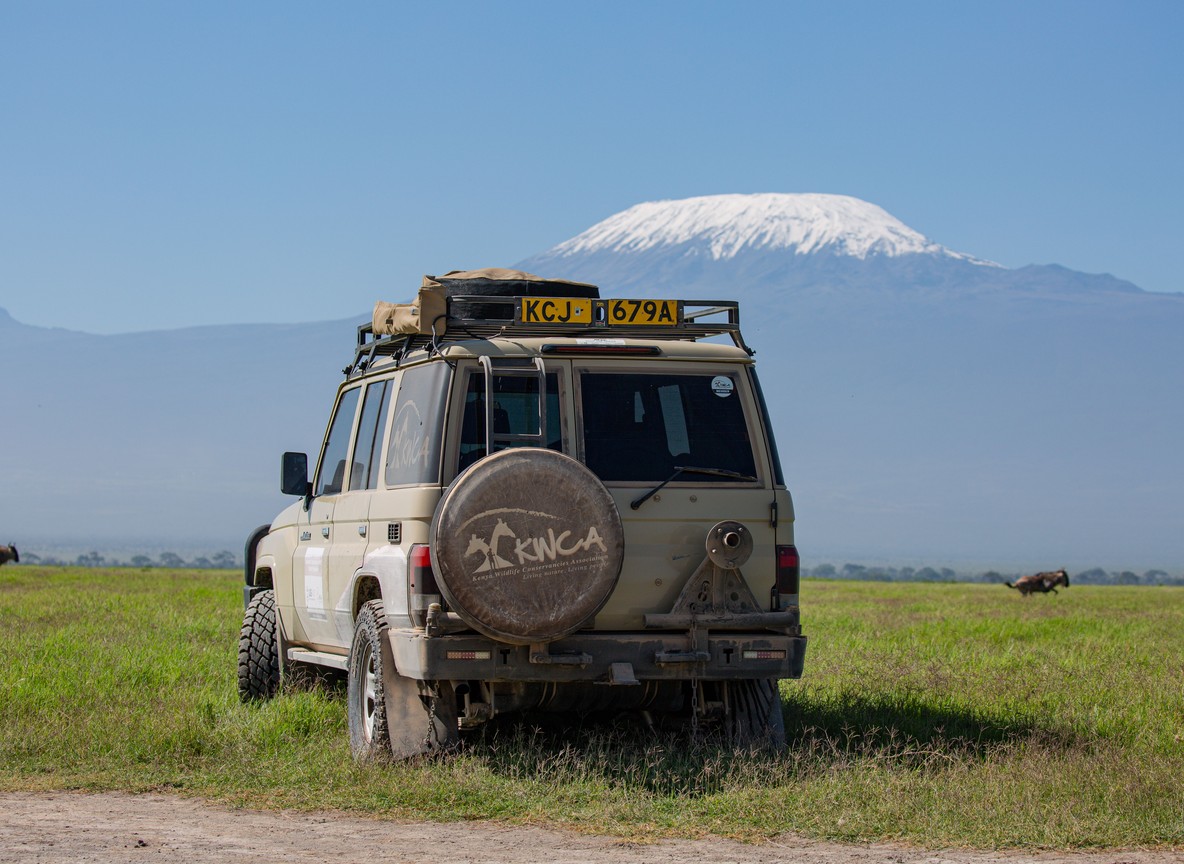
Amboseli has a good spread of both types. Eco lodges here tend to be quieter, more intentional in their environmental approach, and more closely tied to conservation and community programmes. Classic safari lodges tend to be broader in their appeal, more familiar in their hospitality structure, and easier to calibrate for mixed travel groups.
Here is how to think through the comparison clearly.
The Short Answer
An eco lodge in Amboseli is likely the better fit if:
- Sustainability and conservation values are part of why you travel
- A quieter, more understated atmosphere appeals to you
- You want a property whose philosophy feels consistent with a low-impact approach to the natural environment
- You are a repeat safari traveler looking for something with a more intentional character
A classic safari lodge in Amboseli is likely the better fit if:
- Familiar comfort and reliable hospitality are your priorities
- You are traveling with a mixed group that includes first-timers, older guests, or children
- You want a stay where expectations are easy to communicate and unlikely to be misaligned
- Amenities and a traditional safari rhythm matter more than the property’s environmental identity
Neither option is objectively better. They are optimized for different priorities.
What an Eco Lodge Actually Offers in Amboseli
The term “eco lodge” is used loosely across the industry, so it is worth being specific about what genuine eco lodges in Amboseli typically do differently.
Energy: Most eco lodges run on solar power, either fully or primarily. This means no generator hum at night or early morning. The silence in an off-grid camp is qualitatively different.
Water: Rainwater harvesting, borehole systems, and greywater recycling are common features. Water use is often more deliberately managed than in larger, generator-backed properties.
Construction and footprint: Eco lodges typically use lower-impact building approaches: natural materials, minimal concrete, smaller structures that disturb less ground.
Community employment and sourcing: Strong eco lodges in Amboseli employ a high percentage of staff from surrounding Maasai communities and source food locally where possible.
Conservation contribution: Some eco properties direct a portion of their daily rate into anti-poaching programmes, habitat conservation, or community development funds.
The net effect for guests is a stay that feels lighter, quieter, and more connected to the surrounding landscape. It suits travelers who already know they value that character in a property.
What a Classic Safari Lodge Usually Offers
Classic safari lodges in Amboseli are built around a well-understood hospitality model. They tend to be larger, with more rooms, more staff, and more infrastructure.
Strengths you can typically count on:
- A familiar service rhythm: structured meal times, clear game drive schedules, consistent room standards
- Broader room types and configurations, which makes them more practical for families and groups
- Bar and lounge areas that are more social and spacious
- More predictable maintenance and facilities
Classic lodges are not careless about the environment by definition. Many have made genuine investments in solar, waste reduction, and community employment. The difference is that the environmental philosophy is not the primary organizing principle of the stay experience.
For guests who want a solid, uncomplicated safari base where the focus is on what happens outside the camp, a classic lodge often delivers exactly that.
Atmosphere: Where the Real Difference Lives
This is the most meaningful distinction.
An eco lodge in Amboseli typically feels:
- Smaller and more intimate
- Quieter, particularly at night without generator noise
- More intentionally designed with reference to the surrounding environment
- More likely to have a natural, unpolished aesthetic that feels place-specific rather than generic
A classic safari lodge in Amboseli typically feels:
- Bigger and more social
- Familiar in a way that reduces uncertainty for first-time travelers
- More traditionally structured, which many guests find reassuring
- Easier to navigate for guests who want their accommodation to be uncomplicated
Neither atmosphere is superior. Experienced safari travelers who have stayed in both often describe the eco lodge experience as more memorable precisely because it makes fewer concessions to mainstream hospitality convention. First-time travelers often find the classic lodge easier to settle into quickly.
Best for Families
Classic lodges usually have the clearer family advantage. Larger rooms and family room configurations are more consistently available. The service structure is easier to explain to children. Meal flexibility is generally higher in a larger operation.
That said, values-led families who travel specifically because they want their children to understand environmental responsibility sometimes find eco lodges more meaningful. The right answer depends on the specific family.
Best for Couples
Couples can go either way, and many couples have strong preferences in both directions.
Eco lodges tend to win on:
- Intimacy and quietness
- A sense of a more exclusive, less crowded stay
- Atmosphere that feels consistent with an intentional, low-impact trip
Classic lodges tend to win on:
- Comfort certainty, which matters on a honeymoon or special occasion
- More consistently polished service
- Greater ease of managing expectations, particularly for one partner who is less experienced on safari
How to Think About Comfort Expectations
One of the most common misconceptions about eco lodges is that they are uncomfortable. That is generally not true of well-run eco properties in Amboseli. Good beds, working showers, reliable food, and attentive staff are compatible with solar power and natural building materials.
What is different is the feel. An eco lodge does not try to replicate a hotel. The furniture may be simpler. The aesthetic may be more rustic. The facilities may be more compact. For guests who want to feel they are genuinely in the bush rather than in a bush-themed hotel, this is a positive. For guests who find this ambiguous or unsettling, a classic lodge is the more appropriate choice.
Value Comparison
| Factor | Eco Lodge | Classic Safari Lodge |
|---|---|---|
| Sustainability credentials | Strong | Moderate to strong (varies) |
| Familiar comfort feel | Moderate | Strong |
| Best for first-time guests | Good | Excellent |
| Best for repeat travelers | Excellent | Good |
| Intimacy and quiet | Strong | Mixed |
| Family practicality | Mixed | Strong |
| Conservation contribution | Usually explicit | Variable |
| Solar/off-grid operation | Usually yes | Often partial |
A Note on the Wildlife Experience
One important thing the eco vs classic comparison does not affect: what you see on a game drive. The Amboseli wildlife, the elephant herds, the Kilimanjaro backdrop, the plains game, the resident predators, is the same regardless of which category of lodge you are staying in. The distinction is entirely about the camp experience, not the quality of the safari.
Game drive routes, guide quality, and timing are what shape your wildlife days. Those are worth asking about specifically, for any lodge type.
Practical Planning Notes
Ask before you book: Verify the specific environmental claims of any property described as an eco lodge. What percentage of energy comes from solar? Is the conservation contribution quantified and directed to a named programme? Genuine eco lodges can answer these questions clearly.
Seasonal timing: Both lodge types in Amboseli see their best wildlife conditions during the dry seasons, roughly January to March and June to October. These periods also carry higher rates. The short rainy season in November and December and the long rains from April to May bring lower occupancy and often considerably lower rates, with a trade-off in road conditions.
Getting to Amboseli: Most international guests either fly from Nairobi’s Wilson Airport to Amboseli airstrip (roughly one hour) or drive from Nairobi via Namanga road (approximately four to five hours). Road conditions vary significantly by season.
Explorer Notes
Eco lodges in Amboseli often organize specific activities tied to their conservation partnerships: community visits to Maasai villages, guided walks with Maasai rangers, or conservation talks from researchers affiliated with the Amboseli Elephant Research Project. These add meaningful context to a stay and are worth asking about when comparing properties.
Classic lodges in Amboseli more commonly offer broader activity menus, including cultural visits, sundowner drives, and night drives in some properties.
Where to Go Next
For a more detailed look at specific properties in Amboseli and how they compare:
- Best lodges in Amboseli for different travel styles
- When to visit Amboseli for the best wildlife and Kilimanjaro views
- Amboseli elephant herds: what to expect on a game drive
For a current list of eco-certified and conservation-linked lodges in Amboseli, trunktrailssafaris.com maintains an updated camp comparison with sustainability notes.
Turn this reading into a real itinerary with help from a Kenya-based safari team.
Start Planning Your Safari